
Arrest History in Crosby County
A Crosby County arrest can produce records in four places. The arresting agency writes an incident or arrest report. The Sheriff creates booking, custody, charge, bond, fingerprint, and release entries after a jail intake. A magistrate produces warnings and bond papers. If a prosecutor files a charge, the District Clerk or County Clerk opens a court case. These sources can differ for a time because an arrest allegation is preliminary.
The Crosby County Sheriff, Crosby County Constable, Crosbyton Police, Ralls Police, Lorenzo Police, and Texas DPS troopers may create arrest reports within the county. A city department keeps its own narrative even if the person is later booked by the county. The Sheriff holds the county booking slice. For a trooper event, request the report through the Texas DPS public-information channel and seek jail or court records separately.
The official Crosby County Sheriff page gives the verified local custody contact and points readers to VINELink.
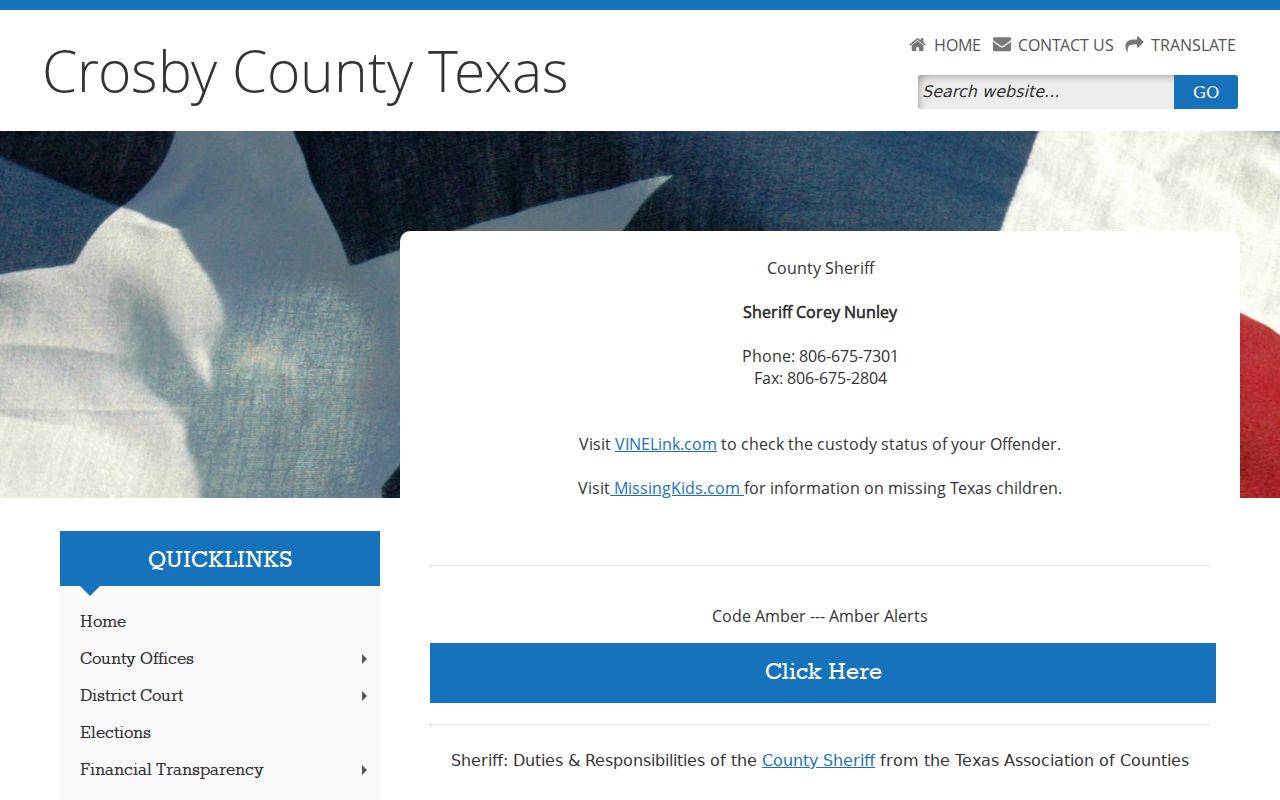
That office is the main route for a booking number, custody confirmation, jail release data, or a focused written request.
Find Crosby Bookings Without a Roster
Crosby County publishes no official daily booking log, arrest blotter, current-inmate page, mugshot gallery, or Sheriff mobile app roster. The safe fallback is direct and source-based. Search the statewide custody notification service, call the Sheriff to confirm the match, identify the arresting agency, and request the underlying documents. A recent arrest may not yet have a filed court cause.
Crosby County Sheriff
201 W Aspen Street
Crosbyton, TX 79322
806-675-7301
Fax: 806-675-2804
Call to confirm current custody, the booking number, the correct records custodian, request delivery method, and public-counter hours.
A phone call helps route a request but does not trigger the Texas Public Information Act. Submit the focused request in writing by mail, in person, or fax when a public copy is needed. Identify the report or booking number if known, the subject name, event date or narrow range, location, arresting agency, and requested format. Ask separately for the arrest report, booking sheet, release data, warrant return, or other item because each may receive different review and redaction. No Crosby County fee schedule is posted, so request a written estimate before authorizing costly work.
How to Look Up Crosby County Arrests
Use several channels because each answers a different question. Start with custody, then move backward to the report and forward to the court result. Include a full name, event date or narrow range, location, arresting agency, report number, or booking number whenever known.
- Search Texas VINELink for current or recent custody and optional status alerts.
- Call the Crosby County Sheriff at 806-675-7301 to verify custody and ask for the booking number or request route.
- Ask the Sheriff, Constable, city police, or DPS trooper unit that made the arrest for its incident or arrest report.
- Check the District Clerk for a felony filing or County Clerk for a Class A or B misdemeanor after prosecutors have filed.
- Use the Texas DPS CCH public search for reported statewide public convictions and deferred adjudications, not as proof of local custody.
- Send a written TPIA request when the public custody result lacks the booking sheet, report, release data, or warrant return.
VINELink displays a custody and notification interface rather than the county's complete arrest file.
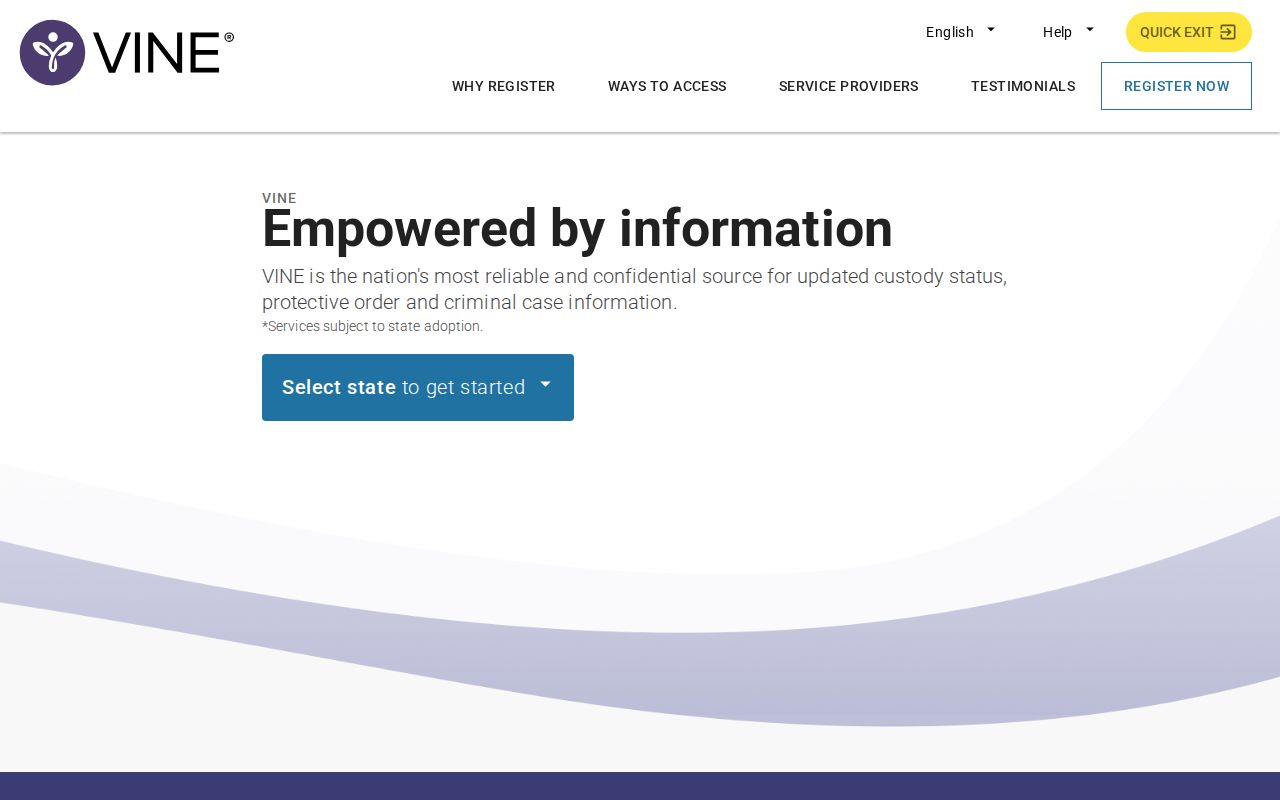
Confirm any possible match with the Sheriff, since names alone can identify the wrong person and entries can change with release or transfer.
Crosby Arrest Reports Split by Agency
A Crosbyton, Ralls, or Lorenzo police arrest can create a city report and a separate county booking. Request the narrative from the city department that made the arrest. Request intake, custody, bond, and release facts from the Sheriff. If the prosecutor files, the court clerk adds a third record. For a Class B misdemeanor or more serious event, fingerprint and disposition reporting may create a fourth layer in Texas DPS CCH.
| Arresting body | Record channel | Ask for |
|---|---|---|
| Crosby County Sheriff | 201 W Aspen; 806-675-7301 | Arrest report, booking, release, warrant execution |
| Crosby County Constable | 806-675-2523 ext. 8; gcavitt@crosbycountytx.com | Constable-created report or process record |
| Crosbyton Police | City Hall, 221 W Main; 806-675-2301 | City report, then Sheriff booking |
| Ralls Police | City department; verify current official phone | City report, then county booking |
| Lorenzo Police | City department; verify current official phone | City report, then county booking |
Do not ask the Sheriff to supply a city police narrative merely because county staff handled the booking. The creating agency and the jail are separate custodians.
What an Arrest Record Shows
Crosby County has no public roster whose exact display fields can be cataloged. A requested arrest or booking record may contain the items below, subject to the record held and required redactions. Preliminary charge text can change after prosecutor review.
| Event or report number | The arresting agency's identifier for the incident narrative. |
|---|---|
| Arrest facts | Date, time, location, arresting agency, officer, and alleged offense. |
| Booking number | The Sheriff's identifier for the county intake and custody episode. |
| Charge and warrant | Initial offense, statute, and warrant identifier when applicable. |
| Fingerprint cycle | Fingerprints and transaction control data used for reportable Texas events. |
| Bond and magistrate | Bond terms and the judicial officer's intake-stage action. |
| Release status | Release, continued custody, or transfer details recorded by the custodian. |
| Protected material | Victim, minor, medical, personal identifier, or active-investigation data may be redacted. |
A booking photograph may exist in the agency file, but Crosby County does not publish an official gallery. Ask whether a particular public record is releasable instead of assuming all intake data is online.
Crosby Arrests Reach Texas DPS
For a Class B misdemeanor or more serious arrest, the agency reports arrest and fingerprint data into the Texas Computerized Criminal History system under Code of Criminal Procedure Chapter 66. The prosecutor later reports its charging decision, and the court reports the disposition. Delays or missing reports can leave a cycle without a final outcome.
Arrest Report → Sheriff Booking → Fingerprint Submission → Prosecutor Filing → Court Disposition → DPS CCH Update
The public DPS name search shows eligible reported convictions and deferred adjudications. It is not the full fingerprint-linked record and does not replace a certified Crosby County judgment. When reviewing one's own history, only fingerprints positively tie a person to the record. A missing disposition should be corrected with a certified clerk document through DPS Error Resolution.
Recent Arrests and Booking Logs
There is no verified Crosby County recent-arrests page. VINELink is the published online fallback, but it is a custody-status and notification supplement. It does not reproduce every arrest report, booking field, charge change, or historical jail episode. Entries can also roll away from a current-custody view after release or transfer.
A negative VINELink result does not prove that no Crosby County arrest occurred. Call the Sheriff, request the booking sheet, and ask which agency made the arrest. Then check the proper clerk after enough time has passed for a prosecutor to file. The Crosby County criminal court case file is the source for the charge that was actually filed and its outcome.
Note: A recent custody tool is a point-in-time source, not a complete Crosby County arrest-history archive.
Crosby Arrest Custody Versus TDCJ
Crosby County jail records cover local intake, pretrial custody, short local sentences, and people awaiting transfer. Once a person is committed to state prison, the public custody layer moves to the TDCJ Online Inmate Search. Its fields include last and first name, TDCJ number, SID number, sex, and race.
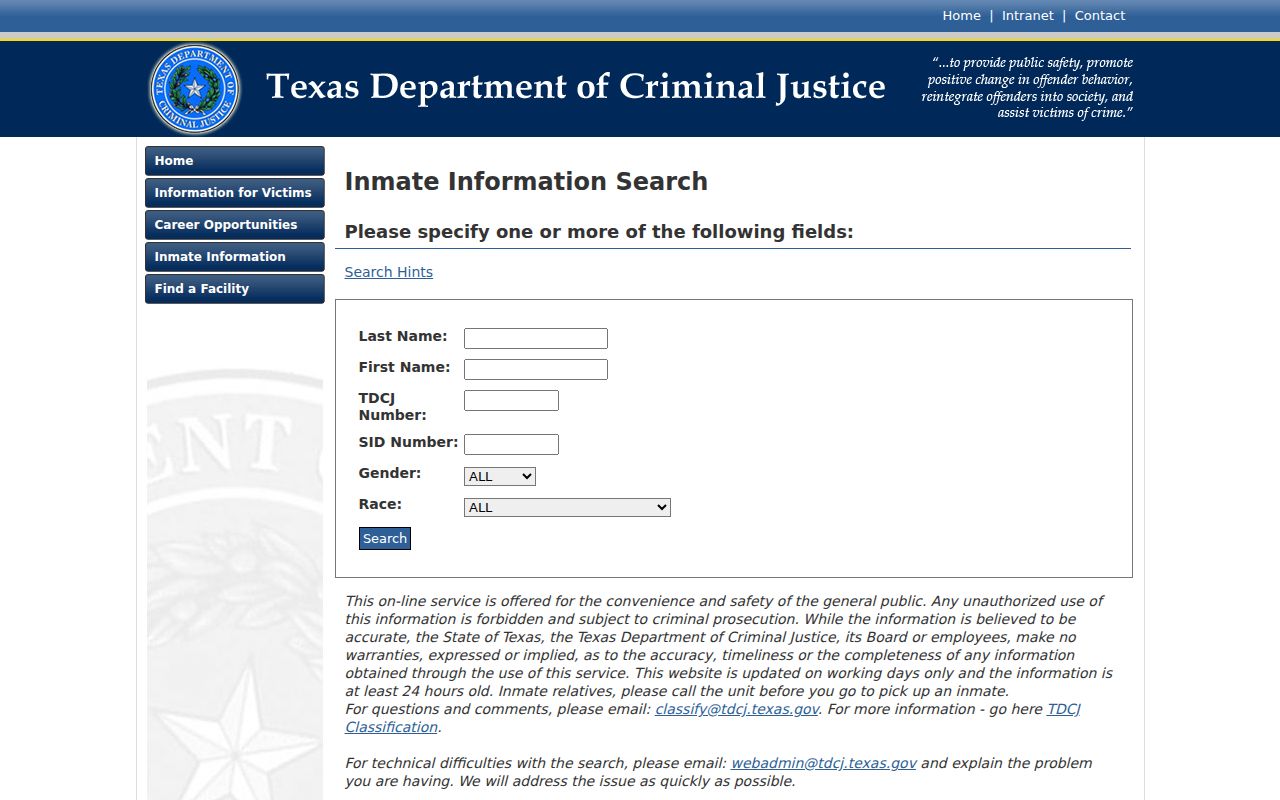
TDCJ results can show prison assignment, sentence county and date, sentence length, projected release, and parole-related fields. They do not supply the Crosby booking narrative. Release decisions and supervision are also split. The Texas Board of Pardons and Paroles makes parole release decisions.
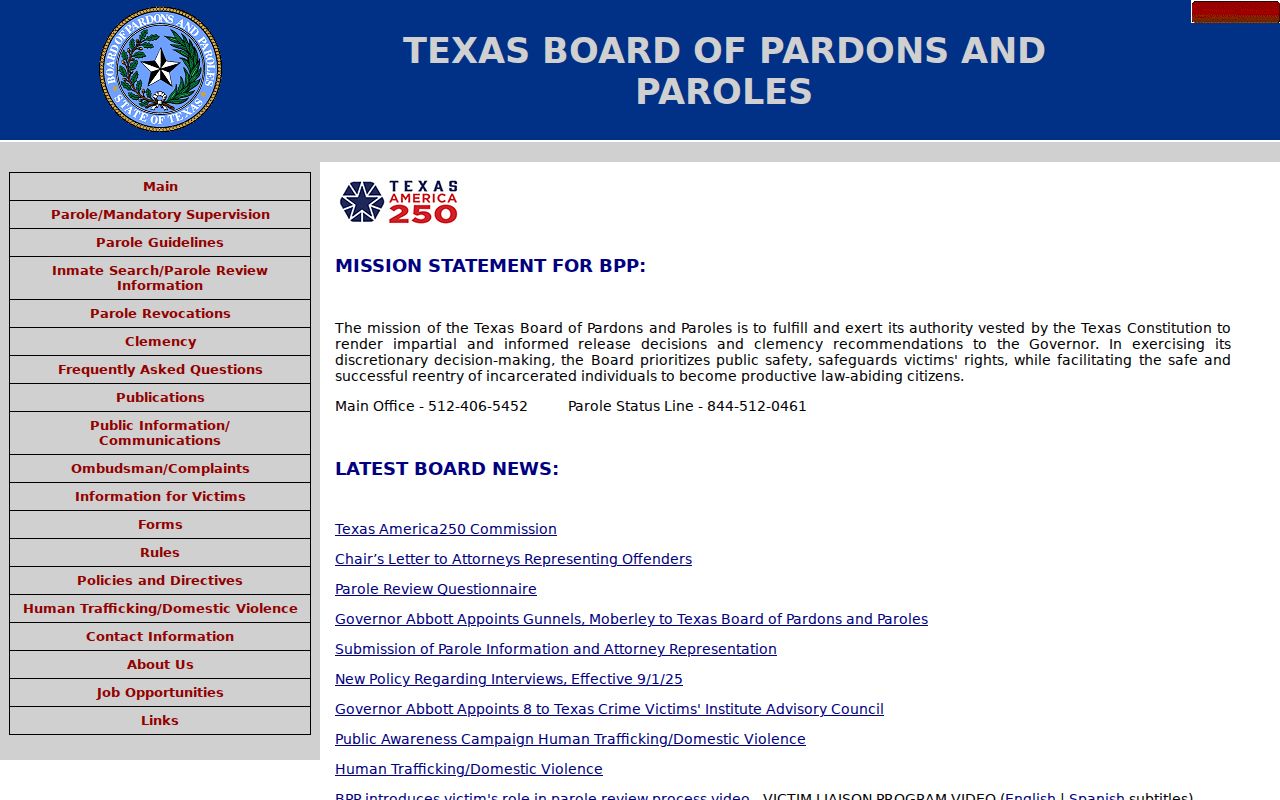
The Board source explains the decision layer rather than county jail custody. The TDCJ Parole Division supervises people after release.
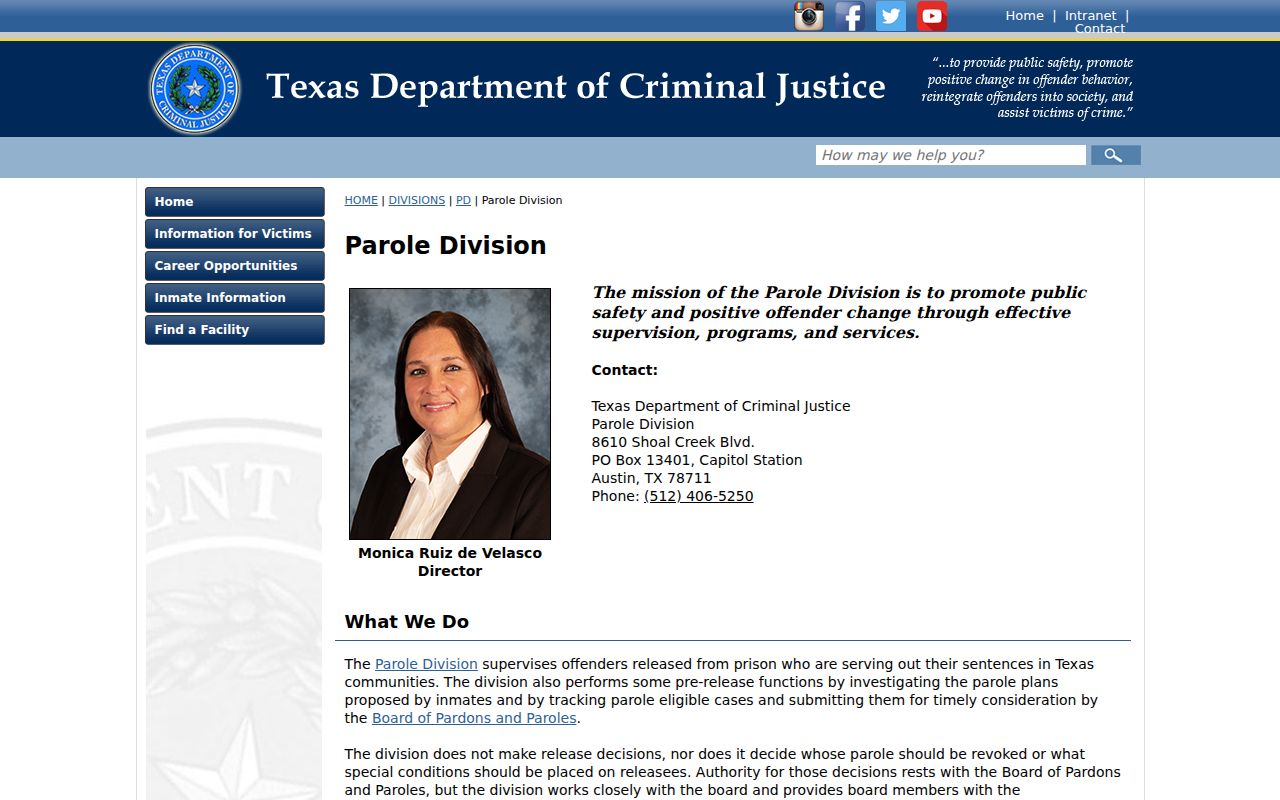
Operational parole files remain distinct from the public Crosby County arrest report, court judgment, and state inmate locator.
Federal Custody After Crosby Arrests
A federal prisoner is not found in the Crosby County or TDCJ locator merely because the investigation began in the region. The Federal Bureau of Prisons Inmate Locator covers people in federal sentenced custody. Federal court filings instead run through PACER and the Northern District of Texas.
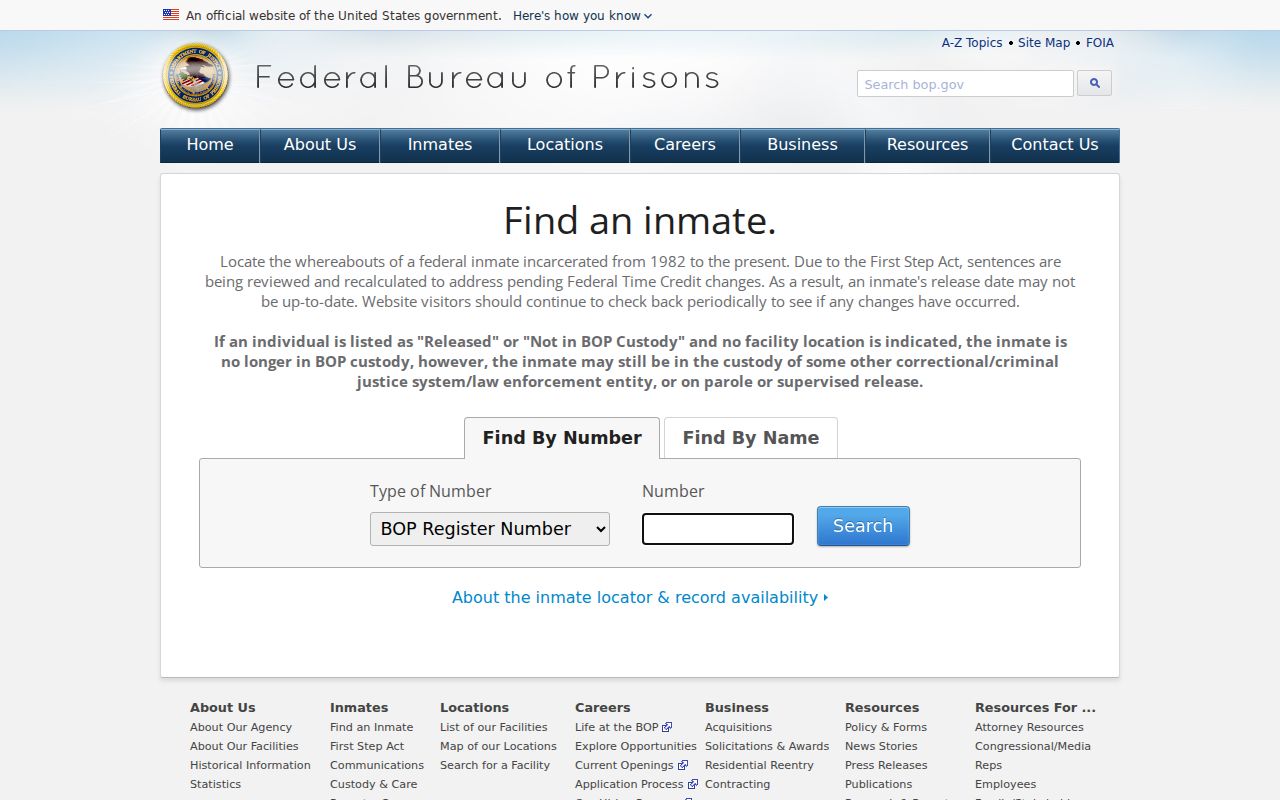
The federal locator is a custody endpoint, not an index of Crosby County bookings, local warrants, or Texas state-prison records.
Choose the system by custody authority. Call the Sheriff for Crosby County jail, search TDCJ for state commitment, and use BOP for federal custody. This avoids treating one database as a universal arrest search.
Arrests vs Convictions
An arrest record shows that an agency took a person into custody or documented an arrest. It does not establish guilt. A conviction appears only after a court enters a judgment of guilt. A prosecutor may reject or change the initial booking charge, while a case may end through dismissal, no-bill, acquittal, deferred adjudication, or conviction.
| Point | Arrest record | Conviction record |
|---|---|---|
| Creator | Arresting agency and Sheriff booking staff | Trial court and reporting agencies |
| What it establishes | An arrest or intake was recorded | A court entered a judgment of guilt |
| Primary source | Agency report and county booking file | Clerk's judgment and DPS public history |
| Possible ending | Release, filing, transfer, or no prosecution | Sentence, appeal, later restriction, or other court action |
Dismissal or acquittal changes the case outcome but does not automatically delete every arrest-system entry. Texas expunction can remove qualifying records under Code of Criminal Procedure Chapter 55A. An order of nondisclosure usually restricts public release instead of destroying the history, and juvenile information follows separate confidentiality rules.
Note: A Crosby County arrest is not proof of guilt, and many bookings do not end in a conviction.